The islands of Cape Verde have become, in recent years, a sought-after tourist destination: the sun, the blue sea, the long, almost deserted beaches attract thousands and thousands of tourists every year. This corner of paradise also has dark sides: one of these is the fate of stray animals. There are those who have not wanted to turn a blind eye to this reality and have created the association “Si ma Bô” (“like you”) to improve the fate of these animals.
BEATRICE JANN
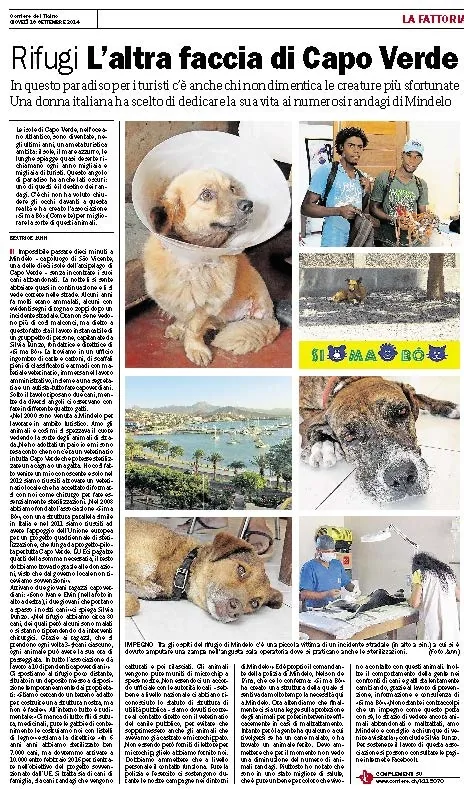
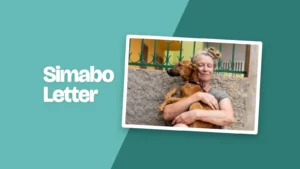
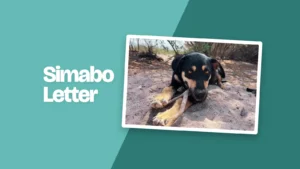
It is impossible to spend ten minutes in Mindelo without meeting its street dogs. At night you can hear them barking almost non-stop and see them running through the streets. A few years ago many were ill, some with obvious signs of mange or limping after a road accident. You do not see so many in such a bad state any more now, but behind this fact lies the tireless work of a small group of people, led by Silvia Punzo, founder and director of Si ma Bô. We find her in an office cluttered with papers and boxes, shelves full of files and cupboards with veterinary supplies, immersed in administrative work, together with a Cape Verdean secretary and a do-everything driver. Two dogs are resting under the table, while four cats watch us with detached interest from different corners.
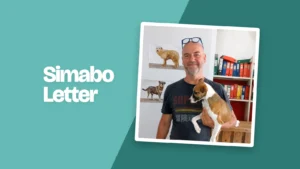
“In 2000 I came to Mindelo to work in tourism. I love animals and so my heart was breaking seeing the fate of street animals. I adopted a couple myself and realised that there wasn’t a vet anywhere in Cape Verde who could spay a female dog or cat! So I brought over an acquaintance of mine and only in 2012 did we manage to find a local vet who agreed to train with us as a surgeon to carry out essentially sterilisation operations. In 2008 we founded the association “Si ma Bô”, with a similar parallel structure in Italy, and in 2011 we managed to get the support of the European Union for a four-year sterilisation project, which serves as a pilot project for all Cape Verde. The EU pays us three quarters of the amount needed, the rest we have to find through donations, since we receive no subsidies from the local government.”
Two young Cape Verdean boys arrive: “They are Ivan and Elvin, our ‘walkers’, that is, those who take our dogs out for walks,” Silvia explains to us. “At the kennel we have about 80 dogs, although some are ill or are recovering from surgical operations. Thanks to the boys, who take 3-4 dogs each every time, every animal can have its hour of walking. Altogether the association employs 10 Cape Verdean staff.”
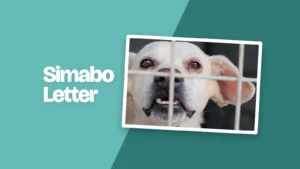
We move to the shelter not far away, located in a warehouse made temporarily available by the owners: “We are looking for suitable land to build our own structure, but it is not easy”. Inside everything is rudimentary: “We lack everything: suture thread, medicines, we even build the holding cages ourselves with wooden slats” exclaims the director “In 6 years we have sterilised about 7000 dogs, but we should reach 10,000 by February 2016 in order to meet the objective of the subsidised project. These are both family dogs and stray dogs that are caught and then released. The animals are also fitted with microchips at our expense. As there is no official agreement with the local authorities – although at national level they have recognised us as a public utility structure – we had to resort to direct contact with the vet of the public kennel, to avoid them putting down even the animals we had already sterilised and microchipped. But since they were not equipped with a microchip reader, we provided one for them. We must admit that on a personal level the contact works. Even the police and the army support us during our campaigns in the outskirts of Mindelo”. And it is precisely the commander of the Mindelo police force, Nelson de Pina, who confirms this to us: “Si ma Bô has created a structure whose need had been felt here in Mindelo for a very long time. Now we await a law on animal protection at last, so that we can intervene effectively in cases of mistreatment. In the meantime, people have someone to turn to if they have a sick dog, or have found an injured animal. I must admit that at the moment I do not see a reduction in the number of stray animals. Rather, I have noticed that they are in better health, which is also a good thing for those who live in contact with these animals. In addition, people’s behaviour towards dogs and cats is slowly changing, thanks to the prevention, information and advice work of Si ma Bô”.
“Despite the setbacks that an undertaking like this brings with it, the heartbreak of still seeing abandoned or mistreated animals, I love Mindelo and I advise anyone to come and visit it.” concludes Silvia Punzo “And for anyone who would like to support the work of our association, all the necessary information can be found on our website pages and Facebook .”