Writing a report about my stay in S. Vicente to follow and photograph Simabo’s daily work… that’s a challenge, I said to myself! Putting into words everything I saw and felt in just a few intense days… that’s a challenge, I said to myself!
Making the words interesting, so that they translate at least a little of the feelings of life, commitment, determination and dedication that I saw… that’s a challenge, I said to myself! But I’ve always liked challenges!
After all, I also looked for the experience at Simabo for this reason… In life, curiosity has been the main driving force behind my experiences and I believe I have always received from them much more than they have cost me; at Simabo, with my photographic equipment and my experience by now fairly well established, even if amateur, I could have made myself useful and “given back” a little of what I received.

And then my stay had already been planned and scheduled for last November, when an unexpected family matter held me back two days before departure, with the ticket already paid for… I still prepared the calendar I had proposed as a Christmas initiative and I made it using the photos that Silvia kindly provided me with, as well as those taken by Sergio (Saglia) on the occasion of his stay… but I thought: is the Universe asking me whether I really want to go to Simabo? Can I deserve a stay at Simabo? I really think so.

I left believing I was prepared for what I would see and experience: I did not know Silvia personally (our contact had been via the internet and had anyway already allowed me to know how volcanic she is), but I know Rossana very well and have known her for many years (Raineri, Simabo’s health director) and I know Sergio equally well (Saglia, volunteer vet who was recently at Simabo), I spoke with them at length; I am a vet, qualified for over 20 years and I have travelled a lot, coming into contact with difficult situations too…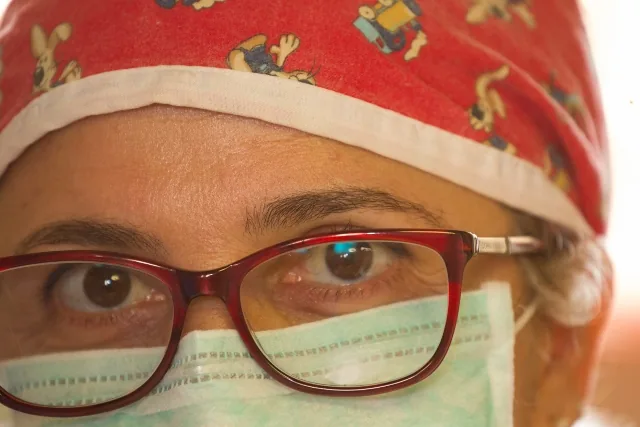
So, I thought, I know exactly what I’m going to do and see! But that wasn’t the case.
It is wonderful how life’s path is scattered with encounters that know how to surprise; Simabo was one of these. As soon as I arrived, my first meeting was with the kennel: it is the headquarters and the heart of the daily activity in Mindelo, which unfolds over long, intense hours marked and accompanied by an endless barking from all the guests. Every guest wants a bit of attention; some ask for it with their eyes, others with their voices, but the people who work at the kennel (volunteers and employees) listen to all these requests: they know each one’s name, take care of the walking shifts and make sure the bowls are always full. And meanwhile they also listen to the requests of all the people who come from Mindelo and the surrounding area with their companions so that they can be examined, treated and maybe operated on.
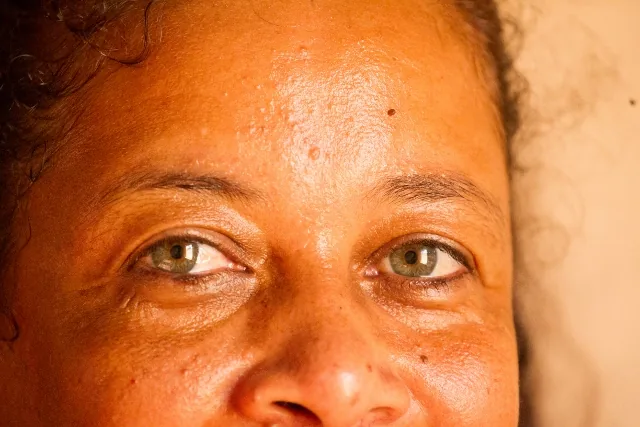
More than once I thought I was watching a symphony: the orchestra is large (employees and volunteers, vets and non-vets), the noises are many, the audience is vast and the harmonies are difficult, but when it starts, as if by magic, everything works! And the conductor is Silvia: her presence is constant, attentive and tirelessly incredible, and always ready for new battles, if needed, to improve Simabo’s work. Every player, however, is fundamental: from Nanda, the energetic and lively Nanda who takes care of dressings, therapies and antiparasitic treatments at the kennel; Sonia, support at the kennel both logistically and as a nurse; the vets (Gui and Yvette are the ones I met during my stay) who work in conditions that require truly incredible decision-making, practical and “creative” abilities, formative for anyone; Ravi, truly Simabo’s all-round soul, who acts as driver, adopter monitor and, if necessary, efficient nurse. And everyone’s work is always seasoned with vital enthusiasm, perhaps with even bitter clashes and just as much laughter, but full of life.
In addition to this fervent “city” activity, I was also able to see how much work there is “outside” the kennel: sterilisation campaigns in the rural and outlying districts with a house-to-house search for cooperation and availability from owners and buildings; repeated and ongoing therapies for Sticker’s tumour with periodic visits to the treated patients; the monitoring and supervision of the guests entrusted to new families, as well as all of Silvia’s work made up of contacts, mediation, requests for cooperation with local authorities and private supporters.

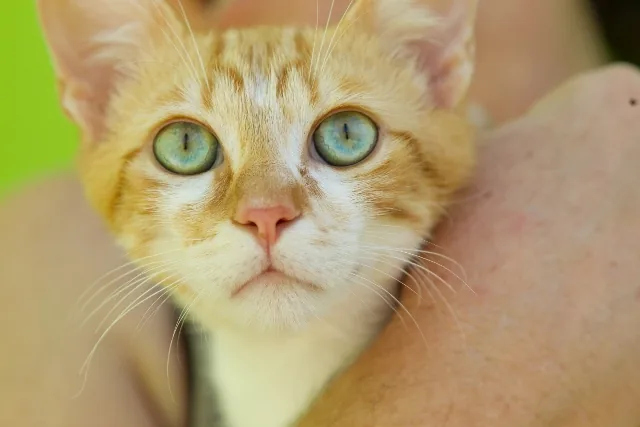
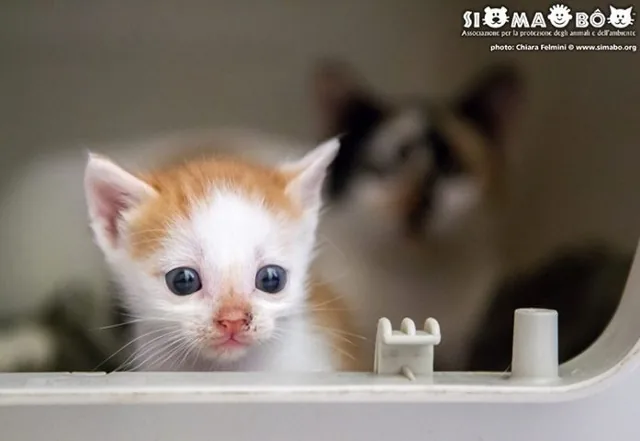
I do realise, though, that talking about the experience at Simabo may seem like a list of praises for the work, and that does not do it justice: the work carried out by Simabo’s orchestra is hard to describe, because it is aimed at caring for the health and well-being of individuals who do not speak, but who know how to explain everything they feel with their eyes. Think of their eyes when you read this little account, think intensely of their eyes; if you can do that then it means I have managed to tell you something of the magic of Simabo.