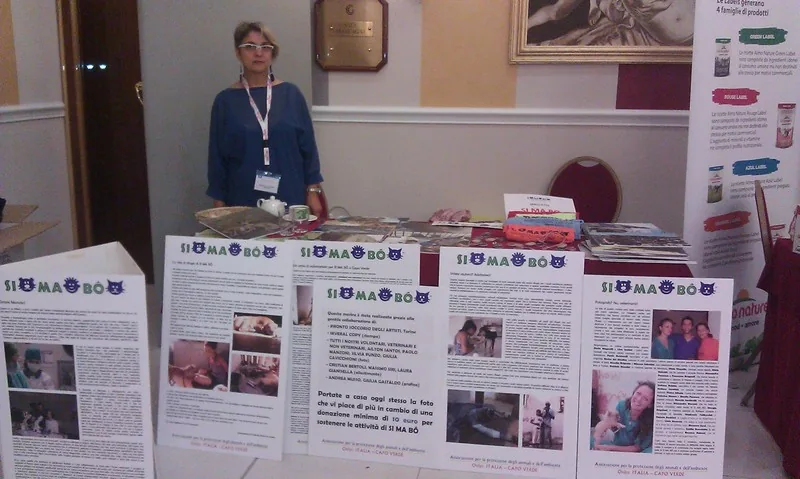
I found out about SIMABÔ by chance; at a veterinary congress there was a tiny stall with promotional material about the dogs of Cabo Verde.
I was intrigued to learn that there is an Italian organisation operating on a small strip of land lost in the Atlantic Ocean…. a few tiny dots between Africa and South America, and so I started to find out more about the work of this organisation.
From a human point of view, I felt the desire to make my experience and my time available to those in need, because I am firmly convinced that in life one must know how to give, to donate to others, at least as much as one has received from the Universe.
In this sense, we Westerners are fortunate; we have received a lot, an awful lot, and often at the expense of other peoples whom we exploited in the past. I feel a certain sense of historical responsibility and so turning to an African reality seemed to me the right thing to do.
From a more personal point of view, I won’t hide that it was also a challenge, a chance to question myself again, because once you reach 50, the temptation to sit back and enjoy the comforts, I’d say the luxuries, of everyday life is strong, but I do not want to stop; there are still too many lovely things I want to do before I retire!
So I decided that this was an experience I had to have.
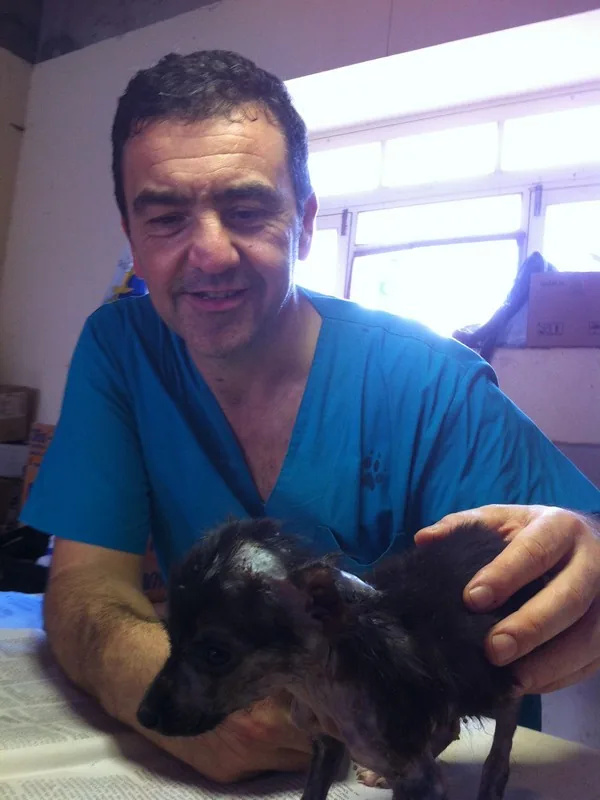
Here in Italy I got in touch with Dr Rossana Raineri and then with the project manager, the volcanic Silvia, and after an exchange of information and opinions that were not always perfectly aligned, we agreed on the departure date.
Having already worked in a kennel in my youth, I had formed an idea of what awaited me, or rather I thought I knew what awaited me, but an hour after arriving at the Association I realised that my idea needed to be completely reconsidered!!
It was a situation very different from any scenario I had imagined; it was a film I had never seen!!
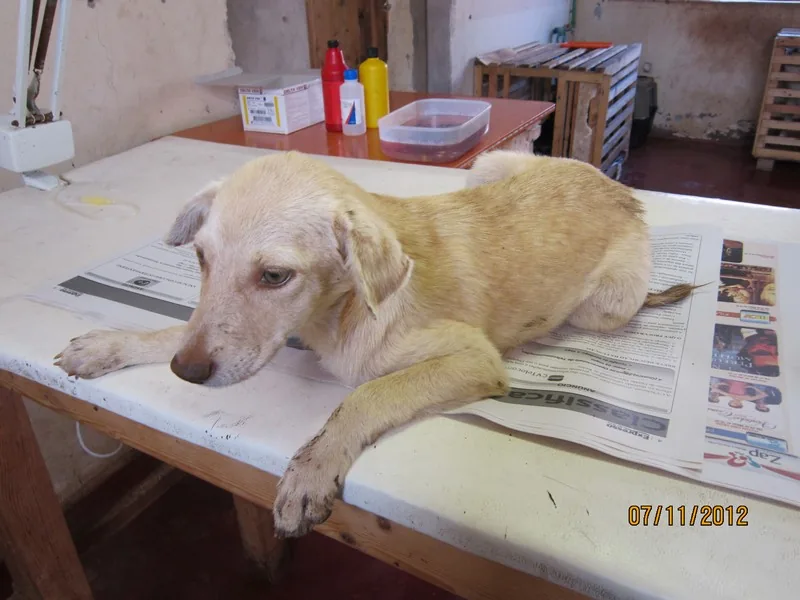
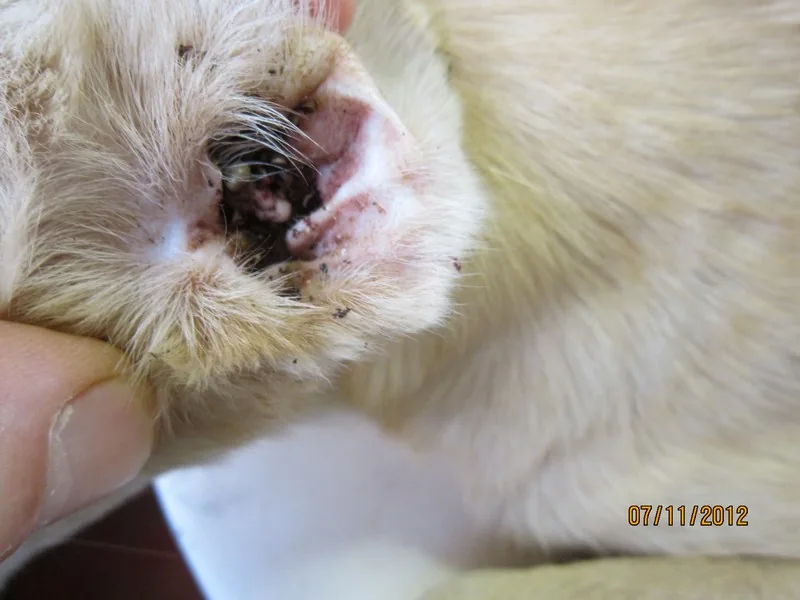
I had never seen animals so infested with ticks, fleas, lice, mites…
I had never seen so many injured animals, broken bones….
I had never seen so many Sticker tumours…
I had never seen so many dogs so thin you could almost X-ray them against the light…
But I had also never seen so many gentle and manageable, I would almost say cooperative, dogs; I had never seen so many unfamiliar dogs getting on well with one another and living together without fights; I had never seen so many children playing with and caring for the puppies in complete freedom…
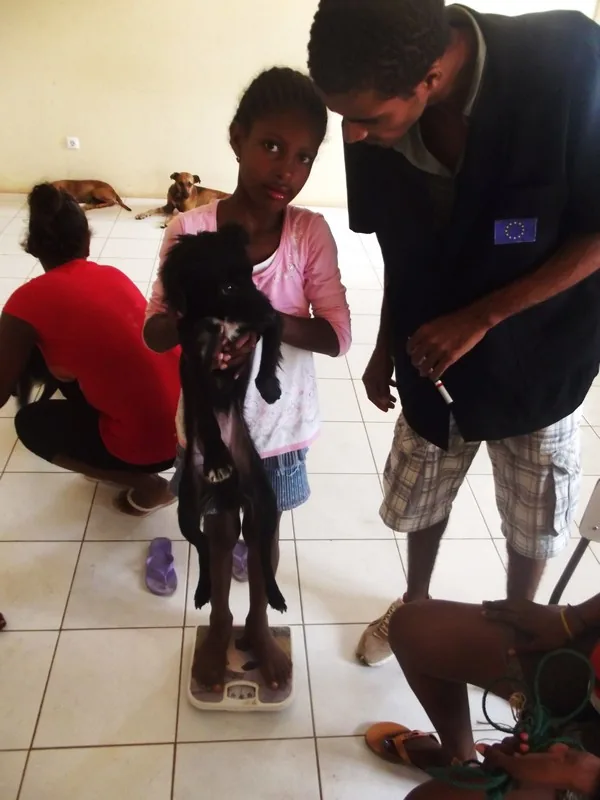
In short, there were plenty of things I had never seen.
Coming back for a moment to the comforts I mentioned earlier, here too there were new and different things.
I don’t want to sound presumptuous, but in my practice (which is not a mega clinic but a normal surgery in a medium-sized city) there are at least three of us when operating on a dog: the surgeon (me), the anaesthetist and the assistant, plus the nurse who prepares the patient.
In Cabo Verde the situation is a bit different: there is the surgeon (me), the anaesthetist (me), the assistant (me), plus the volunteers who bring the patients.
Now I’ve exaggerated a bit, so it sounds as though I do everything on my own; in reality, the assistant’s role is carried out by a special person called Nanda, who with her energy and resourcefulness keeps the clinic going.
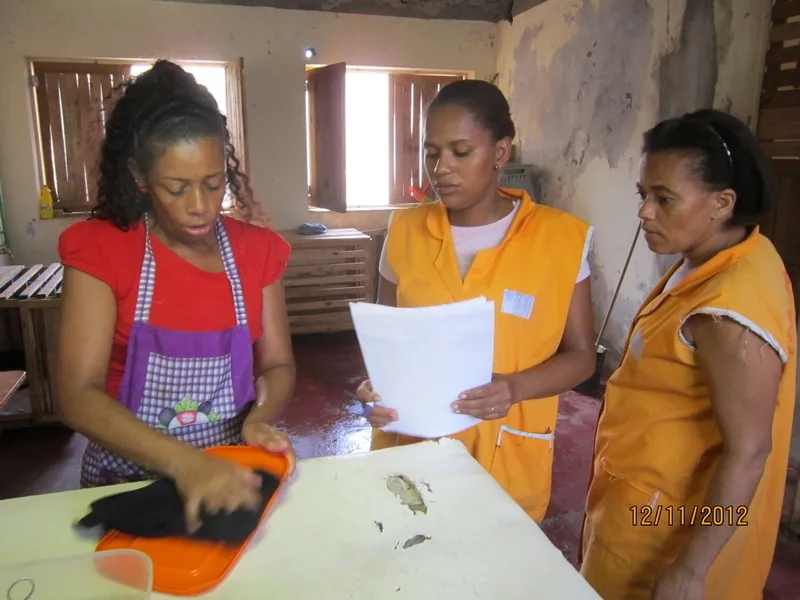
She is the one who takes care of dressings, therapies and antiparasitic treatments, and it was she who helped me most during these two weeks of surgery.
She really is an extraordinary person, a woman with a zest, with an inexhaustible life force, which infects everyone around her.
Be that as it may, even though the help of Nanda and the other people working at Simabo was decisive, it is nonetheless true that the burden of responsibility is very heavy.
The role of the veterinarian means having to make rapid decisions about a patient’s life and death, having to make the most appropriate choice for the community, perhaps at the expense of the individual, having to set up treatment for an animal that is unwell with very few medicines available and practically no diagnostic aids other than one’s own instinct and experience.
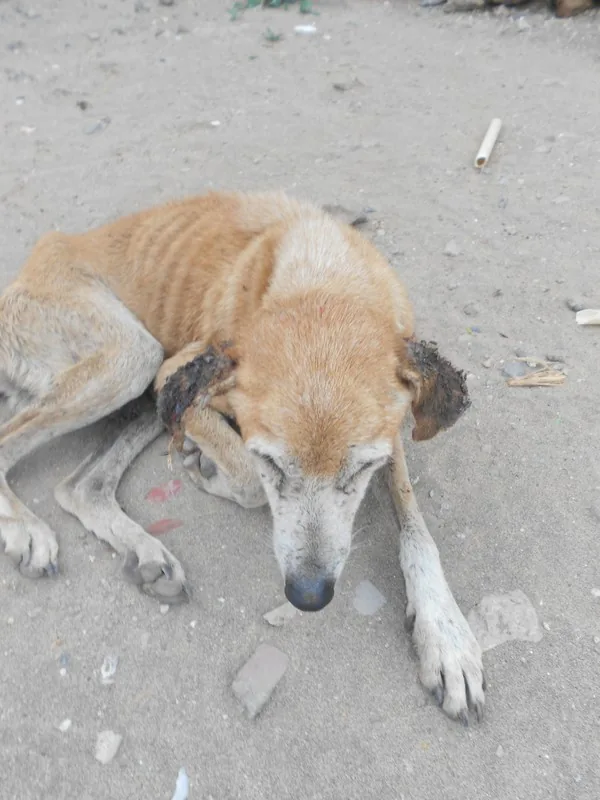
All this represents a rather heavy emotional load which, added to the physical strain of standing for 6–7 hours next to a table operating, leaves you exhausted by evening.
On the other hand, it is true that once the working day is over, just a couple of walks by the sea or through the centre of Mindelo are enough to let go of the tension and tiredness accumulated during the day.
The new and different surroundings, together with the lack of a mobile phone and a car, were for me the best detox and restorative cure I could ever have.
When you are so far from home, in an unknown place, where even the language is difficult to understand, the way we are used to dividing time between work and leisure changes a great deal. Apart from working (in the most obvious sense of the word) there was not much else to do, at least for me, because I was keen to give my best for the short time I was staying as a guest of Simabô and I felt the moral duty to “produce” as much as possible in return for the trust and the warm, family-like hospitality I received. And so in the evening I might study the most suitable therapy for a clinical case seen during the day, or think about planning the work for the following day, preparing the equipment and medicines I might need the next day.
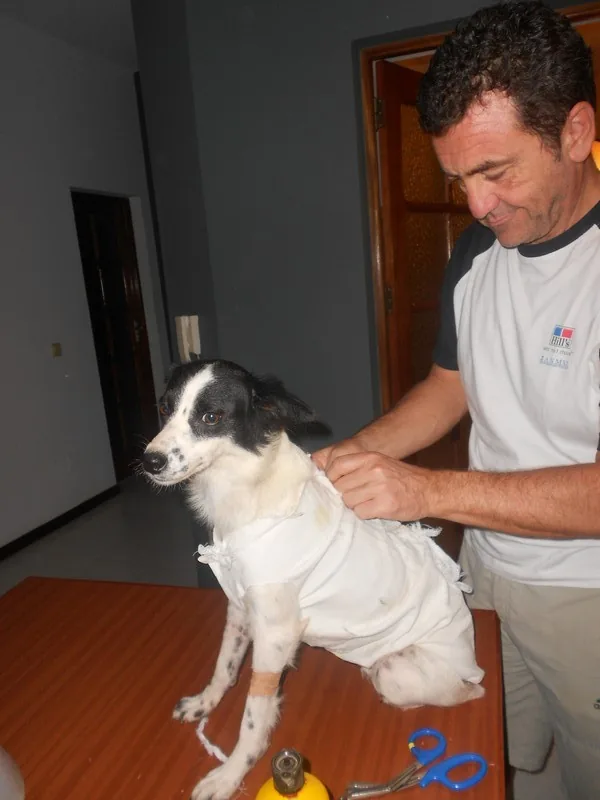
Looking back, I believe it was a very positive experience from every point of view, both human and professional.
It is an experience I would strongly recommend to everyone: for younger colleagues it serves above all as an inexhaustible source of experience, understood both as practical skill itself and as a “problem solving” approach.
For those who are a few years older and have a few more grey hairs, this experience brings the deep satisfaction of doing something truly useful and important, making one’s own contribution to others, helping those in need.
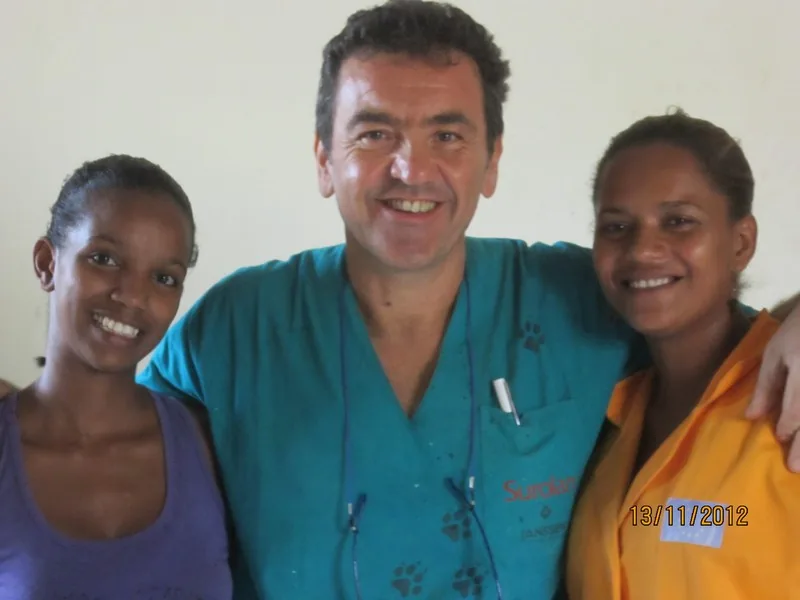
A profound and heartfelt thank-you goes to all the Cape Verdean staff who work at Simabô and who helped me feel at ease in a reality so different from the one I am used to, starting with the one who welcomed me on arrival, Ravì, the volunteers, and through to the delicate and graceful presence of Tatiana and Tania (two splendid Cape Verdean beauties), the efficiency of Lùcia (please remember the accent on the ù and not Lucìa as we say it!), the explosive energy of Nanda, and the patience of Sonia, who put up with my more than “imaginative” Portuguese and spoiled me with her snacks!!
A hug to my young colleagues Gui and Ilaria, with whom I unfortunately worked little, because they were busy with the external sterilisation campaigns.
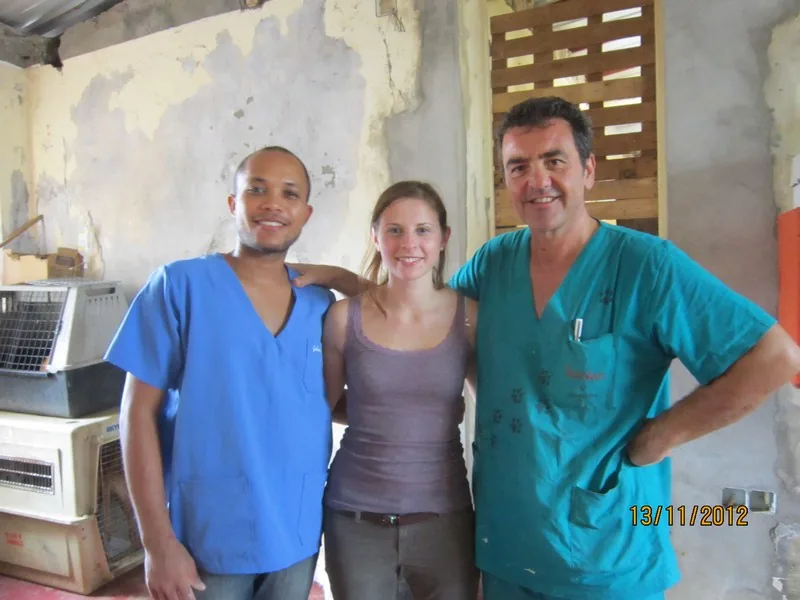
Lastly, I cannot fail to thank the embodied soul of Simabô as well, the indefatigable Silvia, who manages, coordinates, supervises and organises this splendid project.
To all of them goes my gratitude and my wish that Simabô may grow and expand beyond the geographical border of Sao Vicente and become a virtuous model of how animal health – and therefore human health too – can be managed, for the other nearby islands as well or, why not, even for other countries.