Another great success achieved in these first months of the year was the granting, by the Cape Verde Embassy in Rome, of free visas for our volunteers.
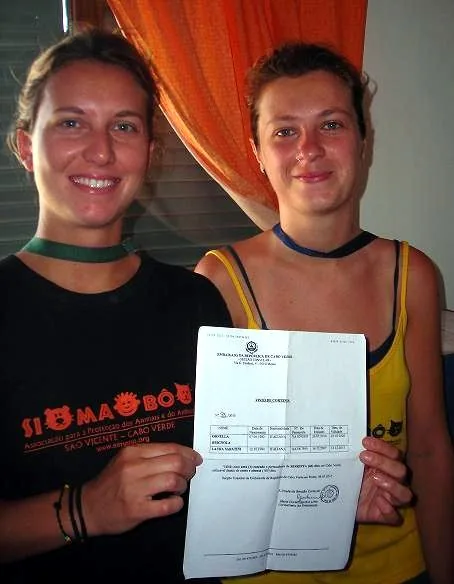
For this we would especially like to thank councillor Maria Goretti Santos Lima, head of the Consular Section, who personally handled our request, recognising the importance of the service we provide to the population of Sao Vicente.
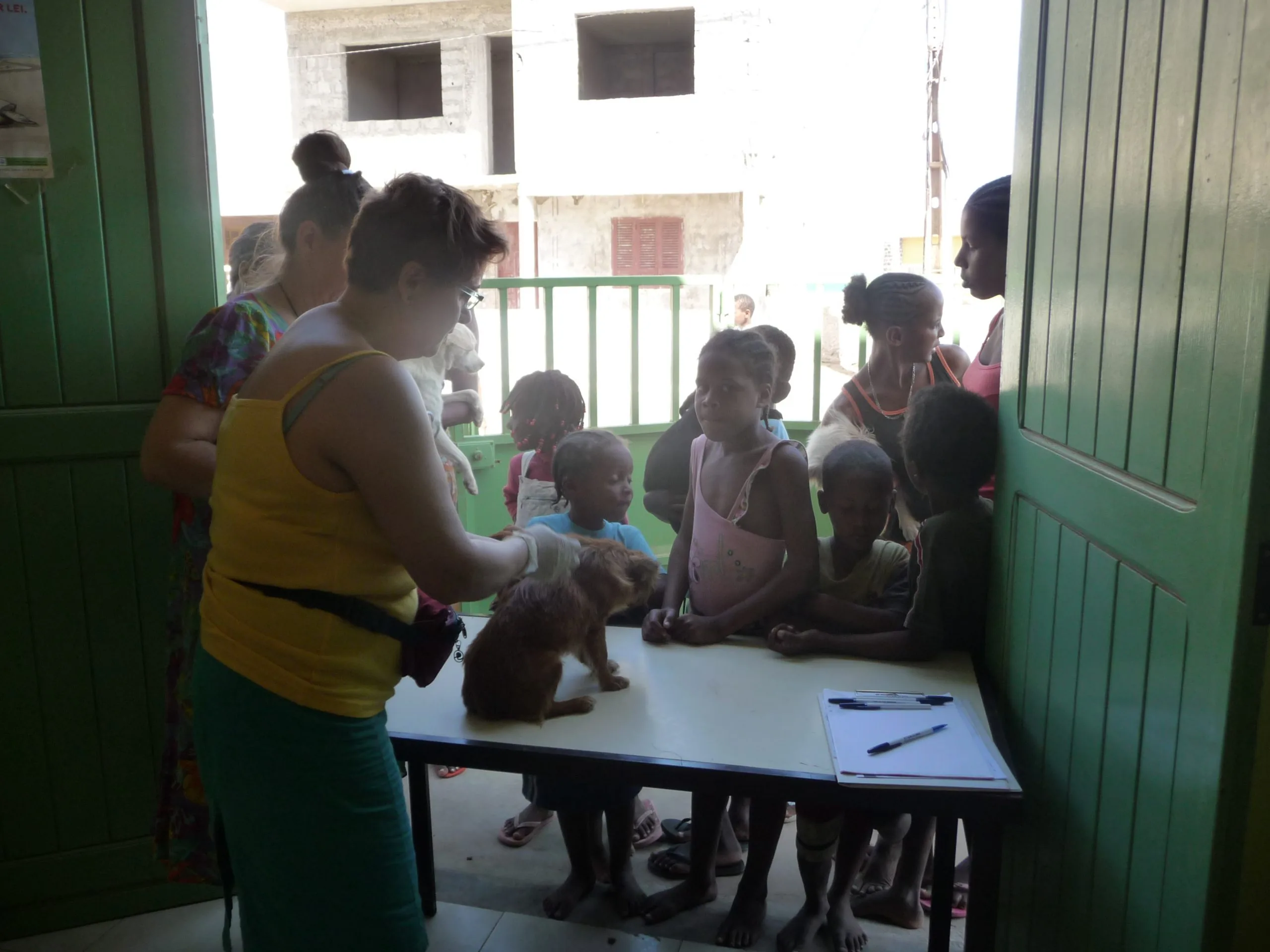
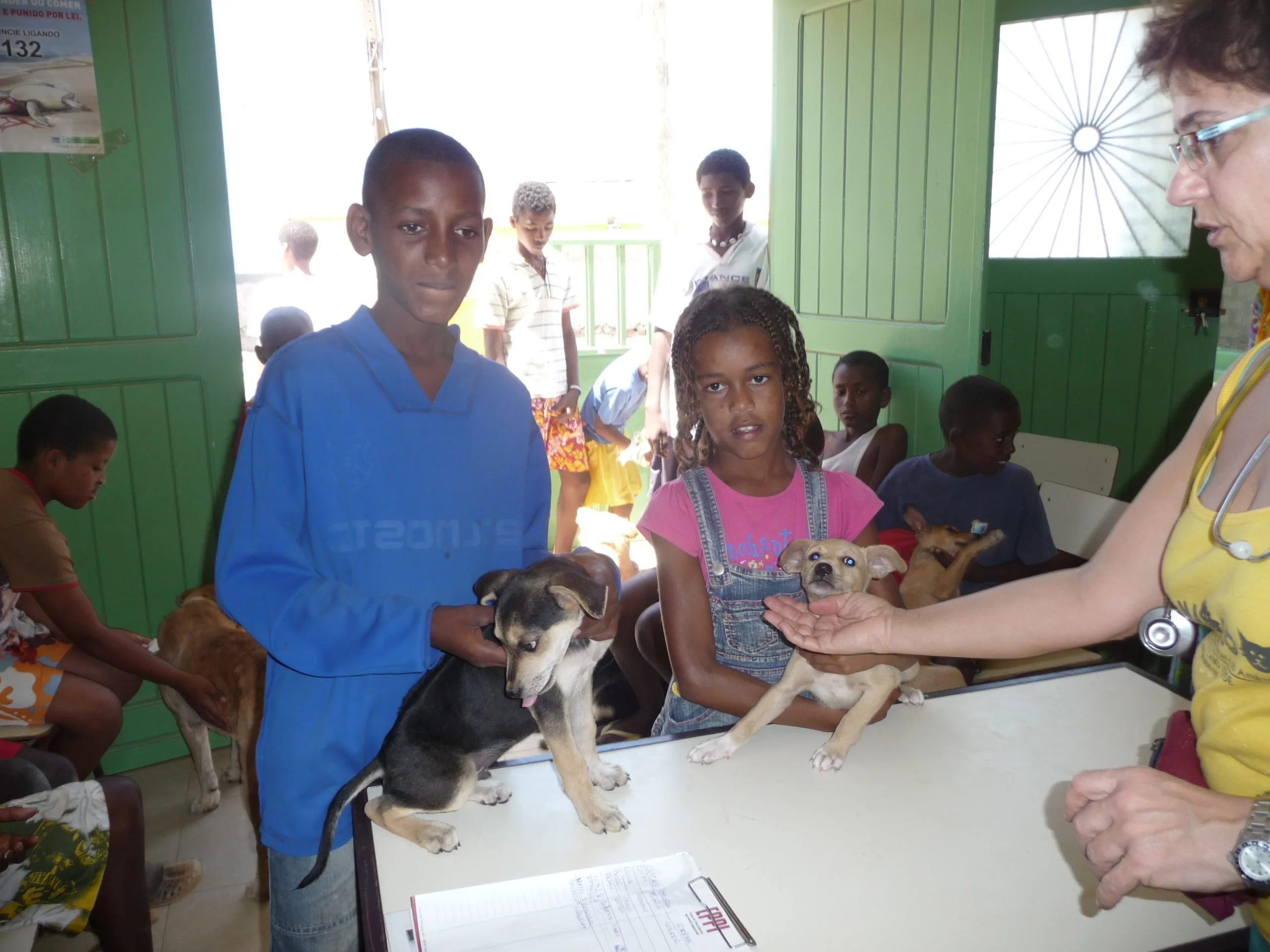
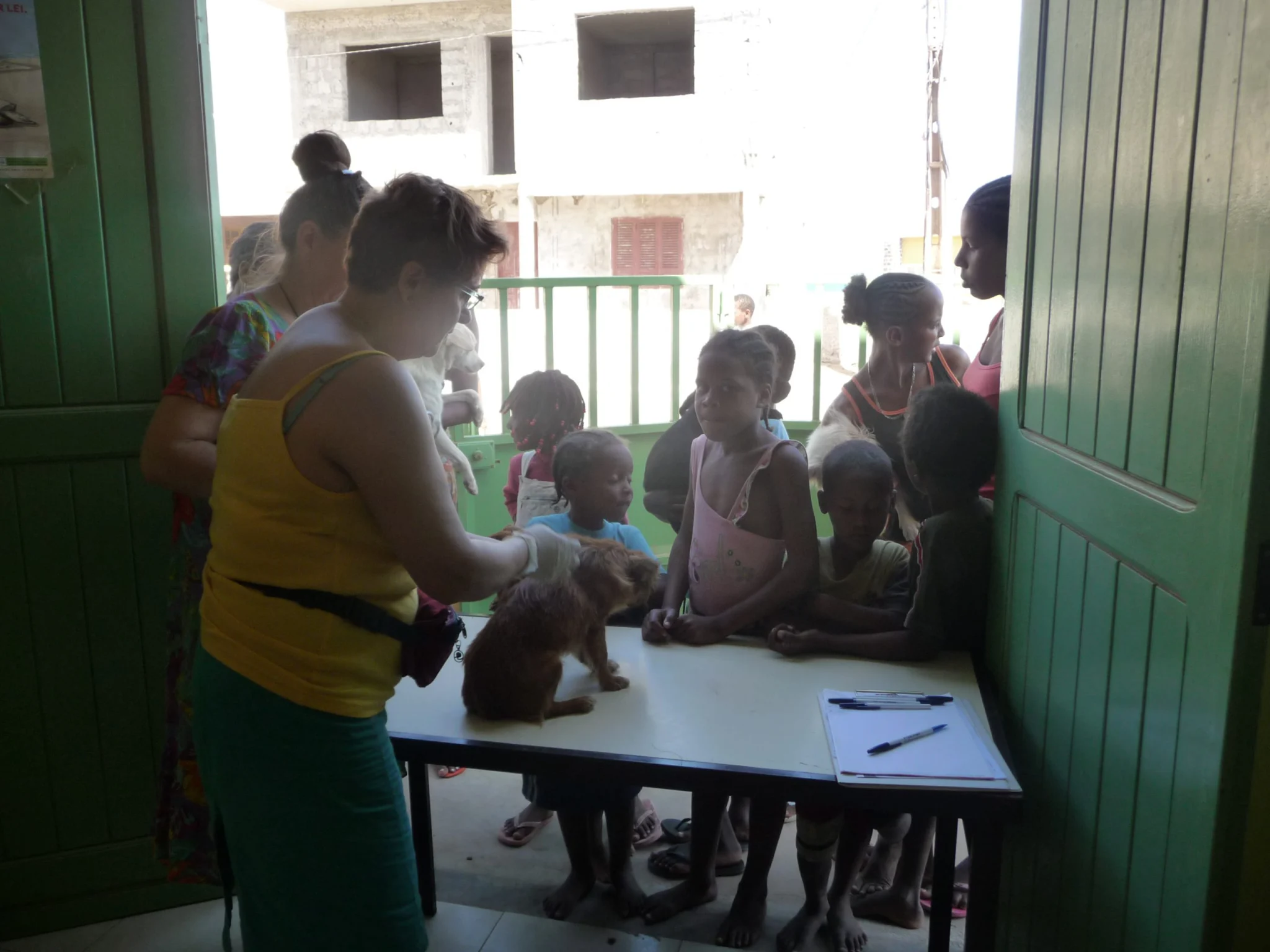
In fact, the clinic is now regularly attended by dozens of needy people who ask us to treat their animals as they do not have the financial means to take them to the only paying vet. Our service therefore also allows this section of the population to “afford” a healthy animal. This is very important above all for children’s health, as they are often in close contact with animals and therefore easily at risk of infection in the presence of internal parasites (various types of intestinal worms, including the very dangerous tapeworm, or solitary worm) and external parasites (fleas, ticks, lice, mites) and fungal infectious diseases (mycosis).
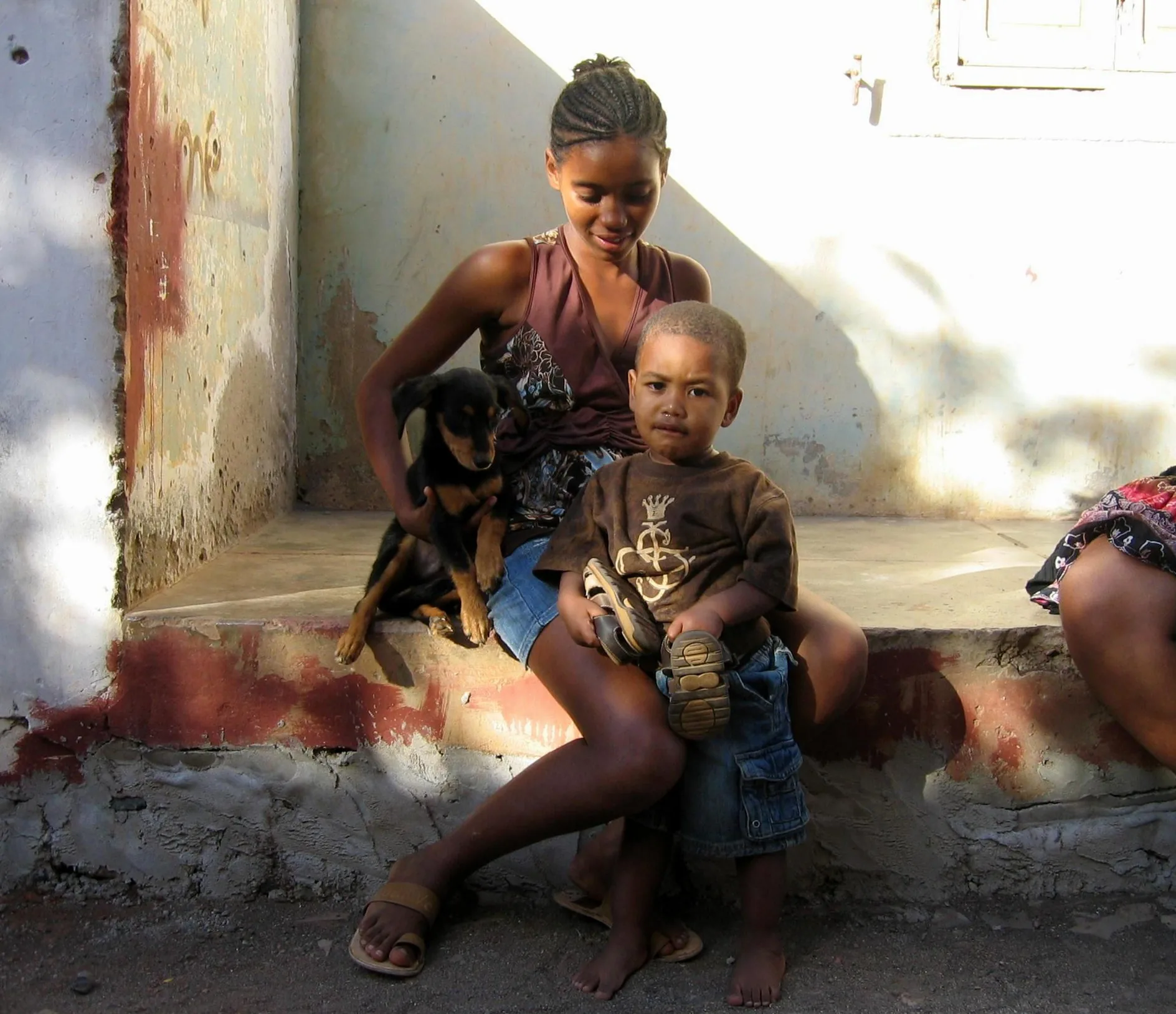
The antiparasitic treatment is administered free of charge to anyone who brings their animal in for an examination. The only contribution required, because it is imposed by law in order to be able to carry out veterinary clinic activity without a licence, is payment of the membership card, which costs 1 euro a month, equal to just over a kilo of rice. All members are also supplied at cost price with a detergent based on amitraz for cleaning the premises where infested animals live.
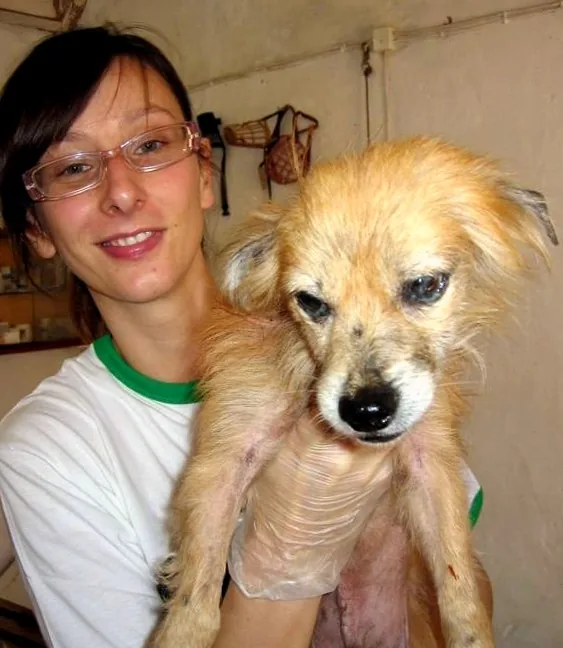
The first vets to benefit from the free visas were Stephanie Tailhardat from Parma and Valeria Barbieri from Milan, joined a few days later by Mimosa Sabatini from Rome and Ornella Brignola from Latina, who are still there and will continue the antiparasitic prevention and sterilisation work coordinated and directed by Dr Raineri, the project manager.
In the absence of diagnostic facilities on the island, scrapings, samples and biopsies collected for the fine-tuning of the treatment protocols are analysed and reported on in the laboratory of the Parasitology Institute of the Faculty of Veterinary Medicine of the University of Turin, as part of a study project on the transmissibility of parasitic diseases between animals and humans directed by Prof. Luca Rossi, whom we warmly thank.